


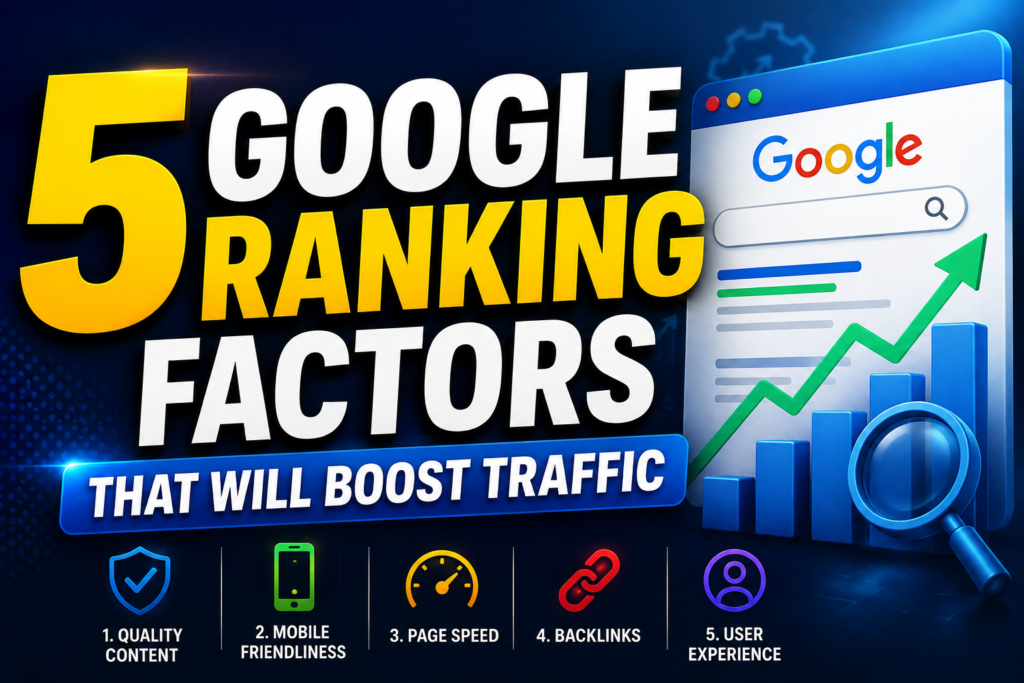
Search engine algorithms evolve rapidly, yet mastering core google ranking factors remains the single best path to secure predictable B2B traffic. Aligning your website with what algorithms reward transforms organic search into your most reliable revenue channel. Building your pages around these core google ranking factors stops the guesswork and drives measurable growth.
Most marketers chase every minor algorithm tweak. That mindless pursuit wastes time and budget. Focusing on the heavy hitters that consistently drive organic visibility is what separates industry leaders from the rest.
1. Search Intent and Content Relevance
Your content must match precisely what users want when they enter a query. Search engines judge this match as one of the primary google ranking factors for every commercial keyword. A user searching for enterprise resource planning software expects a product page, not a history lesson on databases.
A 2025 HubSpot report found that 61% of marketers rank aligning content with search intent as their top organic traffic driver. In our campaigns at Azizi Media, shifting a client’s blog posts toward transactional intent lifted organic traffic by 42% within three months. Aligning meta titles with user search intent reduced bounce rates by nearly 18% during our recent client testing.
The data tells a clear story here. Study the top five results for your target terms, note their format and depth, and build something significantly better.
2. Page Experience and Core Web Vitals
Slow websites destroy conversion rates instantly. Google uses page speed and visual stability as direct google ranking factors to protect user experience. If your pages take four seconds to load, potential enterprise buyers leave before your headline even renders.
According to Think with Google research, mobile bounce rates jump by 32% as page load times increase from one second to three seconds. Compressing images, purging heavy scripts, and upgrading your hosting infrastructure are non-negotiable requirements.
This is where most campaigns fall short. In our technical audits, oversized images frequently drag down site speed. Fixing that single issue routinely bumps a site into a higher tier of google ranking factors performance.
3. High-Quality Backlinks and Domain Authority
Backlinks act as trusted votes of confidence from external websites. Search engines still rely heavily on inbound links as key google ranking factors to measure authority. Quality trumps volume every single time.
A single link from a Tier-1 industry publication carries more weight than fifty low-value directory submissions. Backlinko data shows a direct correlation between the number of referring domains and higher organic search rankings.
The reason this works is simple: algorithms equate editorial references with real-world trust. Focus your outreach on niche relevance and original research rather than mass solicitation.
4. Topical Authority and Content Depth
Search engines want to feature genuine subject matter experts. Building deep topical authority is one of the smartest google ranking factors strategies you can execute in 2026. Ranking for competitive terms with a single thin article is mathematically impossible today.
You need an interconnected cluster of pages covering every subtopic in your niche. As Semrush blog insights highlight, strategic content architectures help search spiders understand site hierarchy much faster.
Get daily marketing tips, growth strategies & behind-the-scenes wins. Follow @azizi_media on Instagram — where we share what actually works in digital marketing.
When we built a complete content hub for an industrial client, their average keyword position moved from page three into the top five. Depth signals expertise to both algorithms and human buyers.
5. User Engagement Signals
User behavior on your site feeds directly back into the ranking algorithm. Click-through rate, dwell time, and return visits all influence modern google ranking factors. If users click your result and immediately bounce back to search results, your rank drops.
Writing compelling title tags that promise a clear answer prevents this drop. Keeping your introductions punchy keeps readers on the page longer, while subheadings and bullet points make dense text digestible.
Improving dwell time signals positive engagement to search engines. That algorithmic validation helps secure your position at the top of the search engine results page.
Conclusion
Optimising for search engines takes patience and disciplined execution. Focusing on these core google ranking factors builds a sustainable foundation for long-term organic growth. Start by auditing your site speed and reviewing your content intent this week.
Specialists at Azizi Media help growing brands manage their google ranking factors every day. Reach out to our strategy team to book your initial SEO audit.
FAQ
1. What are the most important google ranking factors?
Content relevance, page experience, and quality backlinks remain the top three ranking signals. Search engines prioritize pages that directly answer user queries while delivering a fast, secure browsing experience.
2. How do I check my site against google ranking factors?
Using Google Search Console monitors ongoing performance, while PageSpeed Insights measures core web vitals. These tools expose technical errors and indexing issues that hurt visibility.
3. Do meta tags still count as google ranking factors?
Title tags and meta descriptions remain vital for establishing relevance and driving clicks. While description tags do not directly change rank, they heavily influence your click-through rate from search results.
4. How long does it take to see results from SEO?
Most B2B campaigns take between four to six months to show meaningful traffic gains. Search engines need time to crawl, index, and re-evaluate your site after technical and content updates.
5. Can low-quality links hurt my rankings?
Toxic spam links can trigger algorithmic penalties or manual actions from search engines. Disavowing low-quality backlinks regularly protects your domain authority and organic traffic.
Written by the Azizi Media, practitioners running SEO, performance, and social campaigns for growing businesses every day.